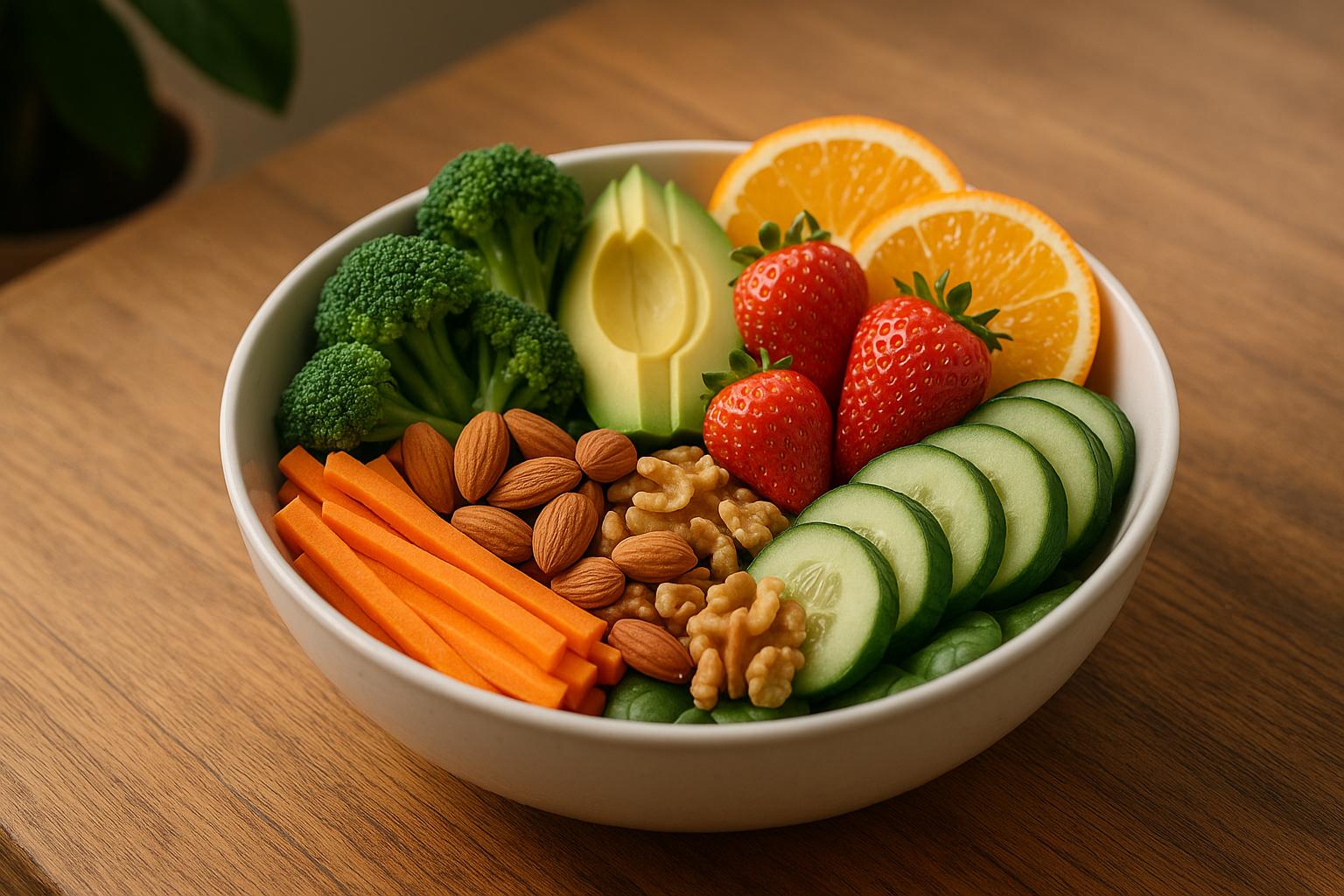
Your skin reflects your internal health, especially when hormones fluctuate due to stress, diet, or life stages like puberty and menopause. These shifts can cause acne, dryness, wrinkles, or uneven tone. The key to healthier skin? Nutrition and hormonal balance.
Key Takeaways:
- Hormones and Skin: Estrogen supports hydration and elasticity, while androgens increase oil, often causing acne. Stress hormone cortisol can weaken the skin barrier, leading to dryness and inflammation.
- Diet’s Role: High-glycemic foods (sugar, refined carbs) spike insulin, worsening acne and aging. Whole foods, antioxidants, and omega-3 fats reduce inflammation and improve skin.
- Life Stages and Skin: Puberty, pregnancy, and menopause bring hormonal changes that affect skin. Balanced diets rich in vitamins (A, C, E, D), healthy fats, and fiber can help manage these effects.
Bottom line: What you eat directly influences your hormones and skin health. A diet rich in whole foods, antioxidants, and healthy fats promotes clearer, youthful skin across all life stages.
Holistic Skincare, Gut Health & Hormonal Balance, With Dr. Julie Greenberg | The DUTCH Test
Dietary Patterns That Affect Hormonal Skin Health
What you eat every day plays a big role in regulating hormones that influence your skin’s appearance. Research increasingly points to the connection between overall dietary habits and hormonal skin issues like acne, inflammation, and early signs of aging.
The foods you choose can set off a chain reaction of hormonal changes. For instance, a breakfast of oatmeal topped with berries and nuts promotes a steadier hormonal balance compared to sugary cereal and juice. Over time, these choices impact sebum production, collagen levels, and even how quickly your skin ages, ultimately affecting your complexion. Let’s take a closer look at three dietary patterns that influence hormones linked to skin health.
High-Glycemic and Processed Foods
Foods with a high glycemic index – like refined carbs, sugary drinks, and packaged snacks – cause blood sugar to spike rapidly. This triggers the release of insulin and IGF-1, which can increase androgen levels, boost oil production, and promote inflammation. Studies have shown that high-glycemic diets can worsen acne by 25% to 30% compared to low-glycemic alternatives. Long-term consumption of these foods may also speed up skin aging through the production of advanced glycation end-products (AGEs), which damage collagen and elastin, making skin less supple.
Western diets, often heavy in processed foods, added sugars, and sometimes dairy, have been associated with higher rates of acne and inflammatory skin problems. Switching to low-glycemic foods, such as oats, quinoa, brown rice, legumes, and unsweetened beverages, can help regulate insulin levels and reduce these hormonal triggers.
Mediterranean Diet Benefits
The Mediterranean diet – featuring extra-virgin olive oil, vegetables, fruits, legumes, whole grains, nuts, and fatty fish – is packed with nutrients that support healthy skin. Its anti-inflammatory and antioxidant properties help protect collagen, preserve elastin, and maintain the skin’s structure. Research has linked this diet to benefits like reduced photoaging, improved skin elasticity, and a more even complexion.
In one study, postmenopausal women who took 250 mg of olive leaf extract daily for 12 weeks experienced fewer pores and smoother skin texture. For those struggling with acne or other inflammatory conditions, the Mediterranean diet can also stabilize insulin levels, reducing hormonal swings that contribute to skin issues. To reap these benefits, try cooking with extra-virgin olive oil, eating fatty fish a couple of times a week, and building meals around vegetables, fruits, legumes, and whole grains.
Plant-Based and Low-Glycemic Diets
Plant-based diets that emphasize low-glycemic foods offer another way to balance hormones and improve skin health. By focusing on vegetables, fruits, whole grains, and legumes, these diets help keep blood sugar levels steady and reduce insulin spikes. The high fiber content supports gut health, lowers inflammation, and helps regulate hormones.
Plant-based diets are also rich in phytoestrogens – natural compounds found in foods like soy, flaxseeds, and legumes – that may help balance sex hormones, particularly during conditions like polycystic ovary syndrome (PCOS) or perimenopause. Additionally, low-glycemic diets have been shown to reduce acne severity in people with insulin resistance. To make it practical, aim for meals centered on whole foods, limit added sugars, and include healthy fats and fermented foods to strengthen the gut–skin connection.
These dietary patterns lay the groundwork for better hormonal skin health, setting the stage to explore how specific nutrients can further enhance your skin’s vitality.
Nutrients That Support Hormonal Skin Health
When it comes to hormonal balance and glowing skin, the right nutrients can make a big difference. These key components not only help balance hormones but also improve skin health by building collagen, reducing inflammation, and protecting the skin barrier. By understanding these nutrients and incorporating them into your daily meals, you can tackle hormonal imbalances that affect your skin’s appearance and aging process.
Vitamins and Antioxidants
Certain vitamins are powerhouses for maintaining hormonal skin health – A, C, E, and D lead the pack. They strengthen skin structure, calm inflammation, and promote repair.
Vitamin A is crucial for regulating skin cell turnover and controlling oil production. It also stimulates collagen and elastin, giving your skin a firmer, smoother look. This is especially helpful for hormonal acne or PCOS-related breakouts, where excess androgens can clog pores and cause inflammation. You can find vitamin A in two forms: preformed vitamin A from animal sources like eggs and liver, and provitamin A (beta-carotene) from plant-based foods like carrots, sweet potatoes, pumpkin, spinach, and kale. For acne concerns, plant-based sources are often a safer bet.
Vitamin C plays a central role in collagen production, helping your skin maintain its elasticity and bounce. It also fights free radicals caused by UV exposure and stress. Research has shown that diets rich in vitamin C lead to firmer, more radiant skin with fewer wrinkles. For example, applying a 20% vitamin C serum for 8 weeks significantly improved skin tone and elasticity in one study. Add foods like citrus fruits, strawberries, red bell peppers, kiwi, broccoli, and Brussels sprouts to your diet for a natural vitamin C boost.
Vitamin E works hand-in-hand with vitamin C to protect your skin from oxidative damage, especially during hormonal shifts like menopause, when dryness and sensitivity often increase. You can find vitamin E in nuts like almonds and hazelnuts, seeds such as sunflower seeds, spinach, and oils like sunflower or safflower oil. A small handful of almonds or a spoonful of sunflower seeds daily is an easy way to include it.
Vitamin D is not only essential for bone health but also impacts skin cell growth and immune function. Low levels of vitamin D have been linked to acne and other inflammatory skin conditions. While sunlight helps your body produce vitamin D, many people – especially those in northern states or during winter – don’t get enough. Fatty fish like salmon, mackerel, and sardines, along with fortified dairy or plant milks, are excellent sources. Aim for 2–3 servings of fatty fish per week or consider a supplement of 600–800 IU daily if sun exposure is limited.
Fats and Minerals
Healthy fats and essential minerals are just as important for skin health as vitamins. Omega-3 fatty acids, zinc, and selenium stand out for their roles in reducing inflammation, regulating oil production, and maintaining skin integrity.
Omega-3 fatty acids, particularly EPA and DHA from fish and ALA from plant sources, help lower inflammation and improve hydration. They also support the skin barrier, which can reduce acne and other hormonal skin issues. Studies have shown that omega-3 supplements can decrease inflammatory acne lesions and strengthen the skin barrier. To get enough omega-3s, include fatty fish like salmon, mackerel, and sardines 2–3 times per week, or try plant-based options like flaxseeds, chia seeds, and walnuts.
Zinc is a multitasker for skin health. It aids in repair, supports the immune system, and regulates oil production. Its anti-inflammatory and antimicrobial properties make it particularly effective for reducing acne severity and supporting wound healing. Foods rich in zinc include oysters, beef, pumpkin seeds, lentils, chickpeas, and cashews.
Selenium is another key player, as it helps protect the skin from oxidative stress through its role in antioxidant enzymes like glutathione peroxidase. It also supports thyroid function, which can indirectly influence skin hydration and texture. Just 1–2 Brazil nuts per day can meet your selenium needs. Other sources include tuna, eggs, halibut, and sunflower seeds.
Polyphenols and Fiber
Plant-based compounds like polyphenols and dietary fiber further enhance hormonal skin health by improving gut health, reducing inflammation, and supporting hormone metabolism.
Polyphenols, found in colorful fruits, vegetables, tea, and oils, are powerful antioxidants that reduce oxidative stress and inflammation. This can help with photoaging and acne. Green tea catechins, for instance, have been shown to decrease sebum production and inflammation. Foods like berries, leafy greens, green tea, dark chocolate (70% cocoa or higher), olives, and extra-virgin olive oil are rich in polyphenols and easy to incorporate into your diet.
Dietary fiber supports the gut-skin connection by feeding good bacteria, promoting regular digestion, and helping the body eliminate excess estrogen. A high-fiber diet can also reduce systemic inflammation and improve insulin sensitivity, which are often linked to hormonal skin issues. Fiber-rich foods include whole grains like oats and quinoa, legumes such as lentils and black beans, fruits with edible skins like apples and pears, vegetables, nuts, and seeds.
sbb-itb-d9e542d
Nutrition and Skin Health at Different Life Stages
The connection between what you eat and how your skin looks is undeniable. By tailoring your diet to the hormonal changes that occur throughout life, you can help manage skin concerns and promote healthier, clearer skin at every stage.
Acne in Adolescents and Young Adults
Teen years often bring acne, thanks to increased androgens that ramp up oil production and alter how follicles behave. What you eat can either make things worse or help calm these effects.
High-glycemic foods – think sugary snacks, sodas, and white bread – cause spikes in insulin and IGF-1, which can boost androgen activity and oil production, leading to breakouts. Research consistently links diets rich in high-glycemic foods to worsening acne. On the flip side, low-glycemic diets, focused on whole foods, have shown to reduce acne severity. Some dairy products may also play a role in triggering acne, though fermented options like yogurt and kefir may actually benefit skin by supporting gut health.
Switching to a low-glycemic diet can make a noticeable difference. Studies show that after 10 to 12 weeks, such diets not only reduce the number and severity of acne lesions but also provide nutrients like zinc, vitamin A precursors, and antioxidants that are great for your skin. Simple swaps can help, like trading sugary drinks for water or unsweetened tea, and choosing whole grains, beans, and non-starchy vegetables over refined carbs. For instance, swapping a white bread sandwich with chips and soda for a whole-grain sandwich with a side of fruit can yield visible improvements in just a few months.
These dietary changes can also set the groundwork for managing other hormone-driven skin issues later in life.
PCOS and Hormonal Acne
For women with PCOS, insulin resistance often leads to higher androgen levels, which can cause oily skin, cystic acne, and even unwanted hair growth. Low-glycemic diets are a proven way to tackle these issues, as they reduce insulin demand, improve sensitivity, and gradually lower androgen levels. Studies show that these changes not only improve acne but can also help regulate menstrual cycles.
A Mediterranean-style diet is a great starting point. This approach focuses on vegetables, legumes, whole grains, lean proteins, and healthy fats like olive oil. Some women with PCOS have also found success with ketogenic diets, which can lower fasting insulin and inflammation. While these diets may improve skin as insulin and androgen levels drop, they should always be followed under medical supervision.
For a balanced approach, aim for low-glycemic carbs like beans, berries, and vegetables, paired with protein-rich foods such as salmon, eggs, tofu, or Greek yogurt (20 to 30 grams per meal). Add healthy fats from sources like nuts, seeds, and olive oil. Even losing just 5 to 10% of your body weight can improve insulin sensitivity and androgen levels, often leading to clearer skin. Including omega-3s from fatty fish or walnuts can also help reduce inflammation, while zinc and vitamin A precursors support healthy follicles.
Clinics like Kinnection Clinic (https://kinnectionclinic.com) take a holistic approach to PCOS-related skin issues, combining hormone evaluations, functional medicine, and personalized nutrition plans to address the root causes of hormonal acne.
Skin Changes During Menopause
Menopause brings a drop in estrogen, which has a noticeable effect on skin. Lower estrogen levels mean thinner skin, reduced collagen, and more dryness, leading to wrinkles and sagging. Estrogen also helps protect skin with its antioxidant and anti-inflammatory properties, so its decline can increase oxidative stress and slow down wound healing.
Fortunately, nutrition can help counteract many of these changes. Phytoestrogens, plant compounds that mimic estrogen, show promise for improving skin health during menopause. Foods like soy (tofu, edamame, tempeh) and flaxseed contain these compounds and may help with skin elasticity, hydration, and reducing wrinkle depth.
An antioxidant-rich diet also plays a key role in slowing skin aging. Nutrients like vitamin C, vitamin E, carotenoids, and polyphenols – found in colorful fruits and vegetables, olive oil, and green tea – help protect collagen and elastin from oxidative damage.
Protein becomes especially important during menopause to support collagen repair. Aim for 1.0 to 1.2 grams of protein per kilogram of body weight daily, or about 20 to 30 grams per meal. Pairing protein with vitamin C-rich foods can further support collagen synthesis. For example, a meal of grilled chicken with bell peppers and citrus or Greek yogurt with strawberries provides the building blocks your skin needs.
To build menopause-friendly meals, include one to two servings of minimally processed soy daily, a tablespoon of ground flaxseed, plenty of colorful produce, and lean protein sources like salmon, chicken, beans, or Greek yogurt at every meal.
For additional support, Kinnection Clinic (https://kinnectionclinic.com) offers hormone replacement therapy alongside functional medicine services, creating personalized plans to address hormonal imbalances and support skin health. Their integrated approach acknowledges that achieving optimal skin health during menopause requires addressing both hormonal and nutritional needs together.
Applying Nutrition in Clinical Practice
Bringing nutritional science into the world of clinical practice for hormonal skin health requires a personalized and well-structured approach. Today, many functional medicine and integrative dermatology clinics treat diet as a cornerstone of skin therapy. By combining dietary assessments, hormone evaluations, and targeted strategies, these clinics aim to address the underlying causes of skin issues rather than just managing the symptoms. This approach creates a seamless blend of nutrition and hormone therapy in patient care.
Nutrition and Hormone Therapy Together
When it comes to patient care, combining nutrition with hormone therapy takes things to the next level. Clinicians often start with a thorough intake process that includes dietary and hormone history. The dietary assessment focuses on habits linked to inflammation and insulin resistance – such as frequent consumption of sugary drinks, refined carbs, fast food, dairy, and alcohol. Meanwhile, the hormone evaluation considers factors like the timing of breakouts, menstrual patterns, use of hormonal contraception, and reproductive milestones such as pregnancy or menopause. To refine their approach, clinicians often pair these assessments with lab tests, including fasting glucose and insulin, lipid panels, vitamin D, sex hormones, SHBG, and thyroid markers.
By addressing interconnected pathways – like insulin resistance, chronic inflammation, oxidative stress, and shifts in collagen and sebum production – this combined approach can enhance symptom control. It may even allow for lower doses of medications while improving skin health, metabolism, and cardiovascular well-being. Nutrient-dense eating patterns, rich in antioxidants, polyphenols, and healthy fats, also play a role in supporting collagen and counteracting skin changes from aging or menopause.
Integrated Care at Kinnection Clinic
Kinnection Clinic (https://kinnectionclinic.com) serves as a great example of how integrative care can bring together nutrition, hormone therapy, and wellness strategies to tackle hormonal skin concerns. Their process begins with a detailed intake that examines diet, lifestyle, and lab results to identify root causes.
For patients dealing with hormonal acne or PCOS-related skin issues, the clinic uses a combination of personalized nutrition plans, hormone therapy, and chiropractic care. This might include low-glycemic, Mediterranean-style dietary guidance, weight management strategies, probiotics, fiber support, and hormone-modulating treatments. Additionally, the clinic’s Gonstead chiropractic care addresses biomechanical stress and supports nervous system regulation, which can indirectly impact hormonal balance. For menopausal skin concerns, they pair hormone replacement therapy with antioxidant-rich diets and, in some cases, IV nutrient therapy. This integrative model relies on detailed consultations and regular follow-ups to adjust treatments based on skin outcomes and lab results.
Practical Steps for Better Results
Turning research into everyday practice means giving patients easy, actionable steps. A gradual approach often works best. For example, replacing high-glycemic foods with whole grains, fresh vegetables, and water-based drinks can help reduce inflammation.
Clinicians can suggest a simple meal-building formula: fill half the plate with non-starchy vegetables, one-quarter with lean protein, and the remaining quarter with whole grains or starchy vegetables. Adding healthy fats like olive oil or avocado provides satiety and supports skin health. Encouraging patients to batch-cook grains, prep vegetables in advance, or portion out nuts can make choosing nutrient-rich options easier. Identifying a few personal trigger foods can also help patients focus on the most impactful dietary changes.
For key nutrients, clinicians can recommend everyday foods commonly found in the U.S. For example, citrus fruits, berries, bell peppers, and nuts deliver antioxidants that support collagen and combat oxidative stress. Two servings of fatty fish per week, along with extra-virgin olive oil, provide omega-3 and monounsaturated fats to strengthen the skin barrier.
To address the gut–skin connection, incorporating probiotic and fermented foods – like yogurt with live cultures, kefir, or sauerkraut – alongside fiber-rich options can promote gut microbiome diversity. Reducing ultra-processed foods and limiting alcohol intake is also important, as these can disrupt gut health and increase systemic inflammation.
Tracking progress is key. Patients can use tools to monitor changes in acne severity, oiliness, redness, dryness, or other skin symptoms, as well as menstrual or menopausal patterns. Clinicians may also use standardized photographs, quality-of-life scales, and noninvasive skin assessments to measure improvements in hydration, elasticity, and pigmentation. Regular check-ins and lab tests over a 6–12 week period help fine-tune the treatment plan and ensure progress is on track.
Conclusion
Research underscores the deep connection between nutrition and hormonal balance, both of which play a vital role in maintaining resilient skin throughout life. What you eat directly impacts inflammation, collagen production, oxidative stress, and hormone metabolism – key factors that shape your skin’s health and appearance.
A diet centered on whole foods packed with antioxidants, healthy fats, and fiber helps stabilize hormones and promotes vibrant skin. On the flip side, consuming high-glycemic or heavily processed foods can worsen conditions like acne and speed up aging. The gut-skin axis further highlights the importance of internal health. A thriving gut microbiome, supported by probiotics, prebiotics, and nutrient-rich foods, reduces inflammation and enhances immune function, benefiting your skin in the process.
Certain nutrients stand out for their skin-boosting properties. Vitamin C, omega-3 fatty acids, vitamin A derivatives, and zinc work in harmony to support collagen production, regulate oil levels, maintain hydration, and combat inflammation. In fact, a 2025 review found that diets rich in antioxidants help slow down skin aging, while those high in refined sugars and trans fats accelerate it.
Personalized care is essential. Genetic differences can influence how your body absorbs nutrients, responds to UV exposure, and produces melanin. Tailored nutrition plans, as discussed earlier, are critical to addressing these individual needs. Combining customized dietary strategies with functional medicine – like hormone replacement therapy, advanced diagnostics, or IV nutrient therapy – can effectively target the root causes of hormonal skin issues rather than just treating surface symptoms.
For those dealing with hormonal acne, PCOS, or the skin changes that come with menopause, integrated care offers transformative results. Clinics like Kinnection Clinic (https://kinnectionclinic.com) exemplify this approach by blending personalized nutrition, hormone therapy, and regenerative medicine. Their thorough intake process, which evaluates diet, lifestyle, and lab work, allows them to craft wellness plans that promote lasting skin health and overall vitality.
The key takeaway? Your skin is a reflection of your internal health. By focusing on whole foods, nurturing your gut, staying hydrated, and working with professionals who understand the interplay between nutrition and hormones, you can achieve stronger, healthier skin. Whether you’re managing a specific condition or simply aiming to maintain glowing skin, the evidence supports a proactive, whole-body approach to care.
FAQs
How can I adjust my diet to support healthy skin and hormonal balance during different stages of life like puberty, pregnancy, and menopause?
Your diet plays a crucial role in keeping your hormones balanced and your skin healthy throughout all stages of life. For teens navigating puberty, it’s smart to load up on omega-3 fatty acids – think salmon or walnuts – and antioxidant-packed colorful fruits and veggies. These foods can help tame inflammation and manage acne. If you’re pregnant, nutrient-dense choices like leafy greens, lean proteins, and whole grains are great for adapting to hormonal shifts while supporting skin elasticity. For those going through menopause, adding foods rich in phytoestrogens, such as soy and flaxseeds, along with calcium-rich options, can help balance hormones and keep your skin in good shape.
On the flip side, cutting back on sugar, processed foods, and trans fats is key, as these can throw your hormones out of whack and lead to skin problems. Staying hydrated and getting enough skin-friendly vitamins – like A, C, and E – can also work wonders for your complexion and overall skin health.
What nutrients can help balance hormones and improve skin health, especially for issues like acne and inflammation?
Nutrition is a cornerstone for keeping hormones in check and ensuring your skin stays healthy. Certain nutrients stand out for their benefits: omega-3 fatty acids can help ease inflammation, zinc supports skin repair and hormone balance, and vitamin D plays a key role in overall hormonal well-being. Adding antioxidant-rich foods like fruits and vegetables to your diet can also help fight oxidative stress, a factor often linked to skin problems.
At Kinnection Clinic, wellness plans are crafted with your individual needs in mind. These plans often include customized nutritional advice and supplements aimed at addressing the underlying causes of hormonal imbalances and skin concerns, rather than just treating surface-level symptoms.
What are the benefits of the Mediterranean diet for skin health, and how can I easily add it to my meals?
The Mediterranean diet is loaded with wholesome ingredients like fruits, vegetables, whole grains, olive oil, and lean proteins such as fish. These foods are rich in antioxidants, vitamins, and omega-3 fatty acids, which are known to reduce inflammation, balance hormones, and support clear, glowing skin.
To work this diet into your routine, try adding more fresh produce to your plate, replacing butter with olive oil, and including fish like salmon or tuna in your meals a few times a week. Snack on a handful of nuts or seeds, and opt for whole grains like quinoa or brown rice. Even small, consistent tweaks to your diet can make a noticeable difference in your overall health and skin appearance.