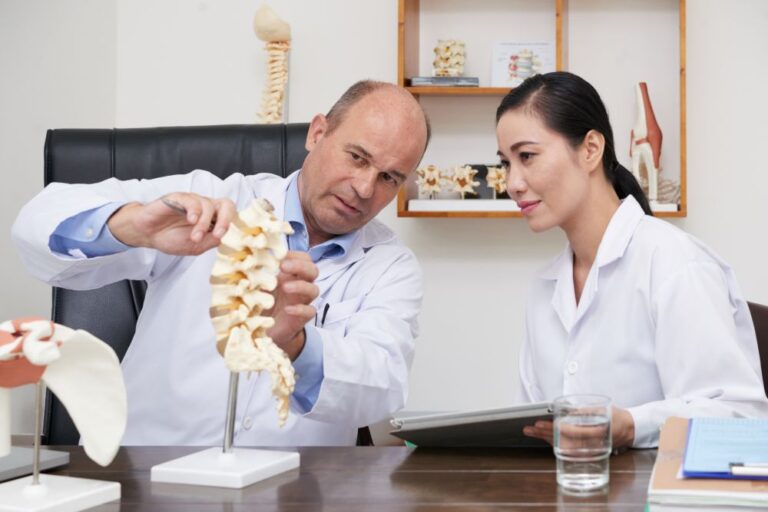
Tech neck in children is becoming a growing issue due to excessive screen use, which can strain their developing spines. When kids tilt their heads forward to look at devices, their necks endure extra pressure – up to 40 pounds depending on the angle. This poor posture can lead to chronic neck pain, headaches, and long-term spinal problems if not addressed early.
Key takeaways:
- What it is: Tech neck results from prolonged screen use in a downward position, straining the neck and upper back.
- Why it matters: Children’s spines are still developing, making them more vulnerable to posture-related issues.
- Symptoms: Neck pain, hunched shoulders, headaches, reduced focus, and poor sleep.
- Solutions: Chiropractic care, especially the Gonstead method, offers precise, gentle adjustments to correct spinal alignment. Combining this with posture exercises, ergonomic setups, and screen-time limits can prevent and manage tech neck effectively.
Addressing tech neck early can reduce pain and improve posture, helping kids avoid long-term spinal issues as they grow.
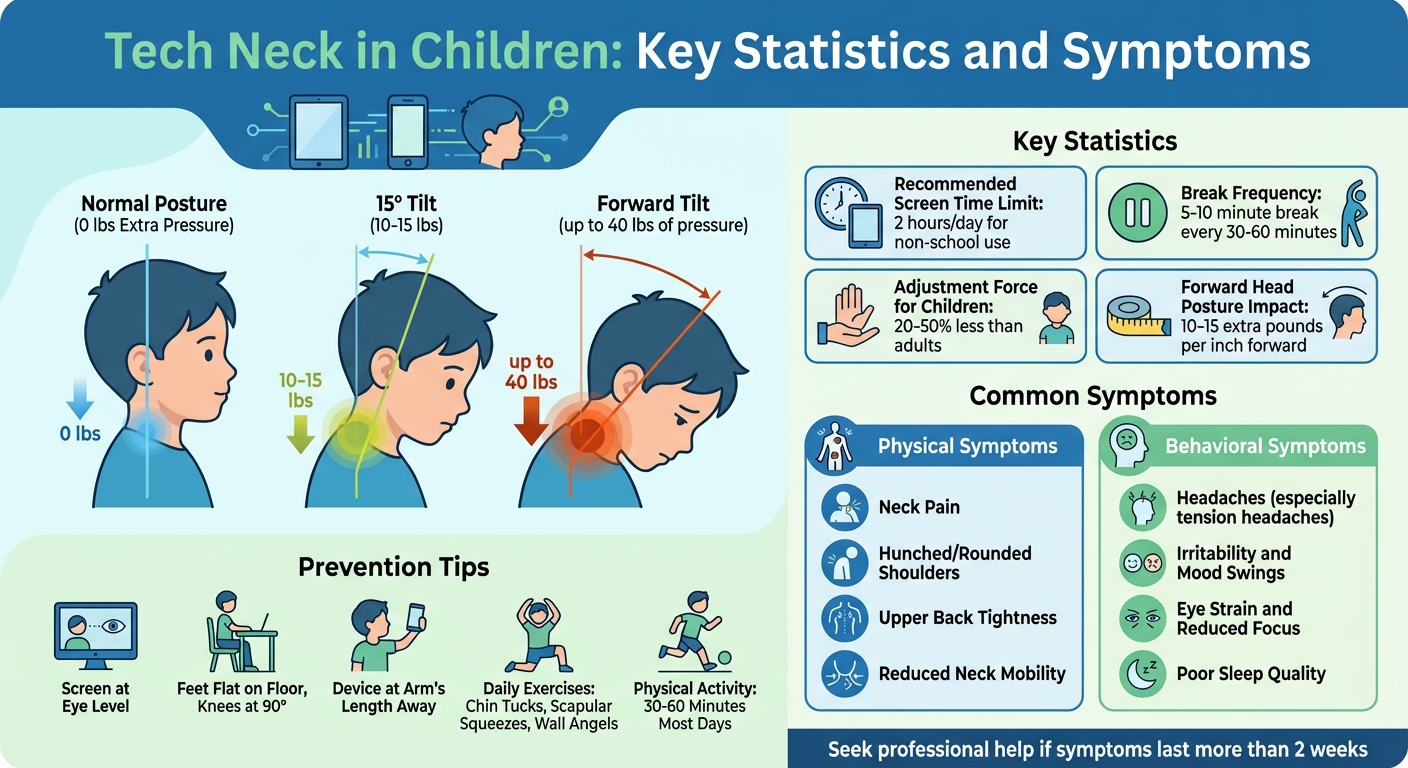
Tech Neck in Children: Key Statistics and Symptoms
Signs and Symptoms of Tech Neck in Children
Physical Symptoms
Does your child complain of neck pain after using screens? Persistent discomfort in the neck is often one of the first signs of tech neck. You might notice them rubbing their neck or asking for a shoulder massage after spending time on devices.
Another common indicator is rounded or hunched shoulders. From the side, your child’s ears may appear to sit forward of their shoulders instead of being aligned directly above them. Here’s a simple test: have your child stand with their heels, buttocks, and upper back touching a wall. If the back of their head doesn’t naturally rest against the wall, it could point to forward head posture.
Kids with tech neck may also experience tightness in the upper back and shoulders, especially between the shoulder blades. This might feel like a “tired,” “heavy,” or “tight” sensation rather than sharp pain. Some children even describe a burning or pinching feeling in the upper back. Additionally, you might observe reduced neck mobility – difficulty looking up, turning their head fully to one side, or sitting upright comfortably for long periods.
While physical discomfort is a major sign, tech neck also affects behavior and daily activities.
Behavioral and Functional Signs
Tech neck doesn’t just hurt physically – it can disrupt your child’s daily life. Headaches are a common complaint, especially tension headaches that worsen after school or extended screen use. These headaches are often caused by the strain forward head posture places on the neck’s muscles and joints.
You might also notice irritability and mood swings. Constant muscle tension can leave kids feeling frustrated, leading to emotional outbursts, difficulty focusing on schoolwork, or resistance to sitting at a desk. By evening, many children become restless or cranky as the strain from the day builds up.
Pay attention to eye strain and reduced focus. If your child frequently rubs their eyes, squints, or asks to dim the lights, these could be signs of visual fatigue. Combined with neck tension, this makes it harder for kids to concentrate, stay on task, or retain information. They may appear “zoned out” or mentally drained. Functionally, you might see them slouching at their desk, frequently changing positions, or avoiding tasks like writing. In more severe cases, poor sleep quality can develop, especially if certain pillow positions worsen neck discomfort. This leads to daytime fatigue and further hinders concentration.
If these symptoms last more than two weeks or start interfering with daily routines, it’s time to seek professional help. Kinnection Clinic offers specialized Gonstead chiropractic care tailored to children. Their gentle adjustments and postural guidance are designed to address screen-related habits and improve spinal health. Catching these signs early can help restore proper alignment and prevent long-term issues.
How Gonstead Chiropractic Care Treats Tech Neck
The Gonstead Method: Precise Spinal Care
The Gonstead Method takes a highly detailed and systematic approach to pinpointing and correcting spinal misalignments. Practitioners rely on tools like visual posture analysis, hands-on palpation, nervoscope temperature checks, and full-spine X-rays to identify problem areas.
For children dealing with tech neck, this level of precision is especially important. A forward head tilt can add 10–15 extra pounds of pressure for every inch the head moves forward. Gonstead chiropractors focus on the specific upper cervical vertebrae affected by this strain. Studies show that targeted adjustments for children not only reduce pain but also improve spinal alignment significantly. This method goes beyond offering temporary relief by addressing the underlying issue directly, setting the stage for age-appropriate and effective care.
Safe and Gentle Adjustments for Children
Gonstead adjustments are designed to be safe and gentle, using high-velocity, low-amplitude thrusts – lighter than the pressure of a hug. For children aged 6 to 12, chiropractors apply 20% to 50% less force compared to what they would use for adults.
During treatment, children are placed in comfortable positions, such as lying on their side or sitting in a specialized cervical chair. This allows the practitioner to gently realign misaligned vertebrae without overextending the neck. Sessions are typically shorter than those for adults, and many adjustments are so gentle they don’t produce the typical cracking sounds, helping to make the experience less intimidating.
For example, a 6-year-old boy suffering from headaches and neck pain due to prolonged screen use underwent nine months of Gonstead-style care and achieved complete pain relief and neurological recovery without any side effects. Similarly, a 12-year-old experienced improved neck mobility within just two weeks of starting gentle cervical adjustments. These thoughtful techniques are central to the pediatric care provided at Kinnection Clinic.
Kinnection Clinic‘s Pediatric Chiropractic Care

At Kinnection Clinic, the Gonstead method is tailored to meet the specific needs of each child. During initial consultations, practitioners perform a thorough posture analysis, take full-spine X-rays to evaluate forward head posture, and use hands-on nervoscope assessments to detect areas of nerve irritation. By combining these tools, they identify inflammation and nerve pressure with precision, ensuring adjustments are focused only on the vertebrae that require correction. The clinic avoids unnecessary twisting or generalized manipulations, resulting in fewer but more effective adjustments with lasting benefits.
Each adjustment is gentle, targeted, and carefully customized. For moderate tech neck cases, the clinic typically recommends one to two sessions per week, paired with home exercises like chin tucks and posture stretches. Along with these treatments, Kinnection Clinic provides practical advice on screen habits to help children maintain proper spinal alignment and prevent future complications. By addressing the root cause and offering actionable solutions, the clinic supports children in achieving better posture and long-term spinal health.
How to Prevent and Manage Tech Neck
Home Workspace Setup and Screen Time Guidelines
To help prevent tech neck, start by setting up a workspace that supports good posture. Screens should be positioned at or slightly below eye level, keeping the head aligned with the shoulders. Devices should be placed about an arm’s length away. For younger children, ensure they sit with their feet flat on the floor or on a stable footrest, with knees bent at roughly 90 degrees and hips slightly higher than the knees. Encourage them to hold devices at eye level rather than resting them in their lap.
For school-aged children, try to limit non-school screen time to around 2 hours a day. Breaks are essential – encourage a 5–10 minute pause every 30–60 minutes. Tools like timers or reminder apps can prompt kids to stand up, walk around, or stretch. Mixing screen-based activities with outdoor play, chores, or hobbies not only reduces neck strain but also promotes overall spinal health. These ergonomic adjustments, when combined with professional care, can make a big difference in managing tech neck.
Exercises to Strengthen Postural Muscles
Ergonomics alone isn’t enough – strengthening exercises are key to improving posture and reducing tech neck symptoms. Targeted exercises focus on the neck and upper back muscles, which are vital for proper alignment.
For example:
- Chin Tucks: Have your child stand or sit tall against a wall, gently pulling their chin straight back (like creating a double chin). Hold for 3–5 seconds and repeat about 10 times.
- Scapular Squeezes: Encourage them to press their shoulder blades together, holding for 5 seconds, and repeat 10–15 times.
- Wall Angels: With their back and head pressed against a wall and arms in a goal-post position, they can slide their arms up and down for 8–10 repetitions.
Daily stretching and strengthening routines, lasting 15–20 minutes, can significantly reduce discomfort and improve posture, especially when paired with ergonomic practices.
Core and full-body exercises also play a role in spinal support. Activities like front and side planks (held for 10–20 seconds over several sets) help build trunk strength. Bird dog exercises, where the child extends the opposite arm and leg while maintaining core stability, can enhance coordination and spinal stability. Aim for 8–10 repetitions on each side. Additionally, regular physical activities like sports, playground time, or outdoor play for 30–60 minutes most days can further support healthy posture and reduce muscle strain.
Daily Habits for Spinal Health
Simple daily habits can go a long way in maintaining spinal health. Teach kids to align their ears with their shoulders, open their chest, and relax their shoulders while using devices. Instead of bending their neck to look at a screen, adjust the device to eye level. Encourage them to use a two-handed grip on phones or tablets, with their elbows supported on a table or armrest, to reduce tension in the neck and shoulders. Consistent practice of these habits helps prevent tech neck from recurring and enhances the benefits of chiropractic care.
Other factors, like sleep position and hydration, also contribute to spinal recovery. Most children benefit from back or side sleeping with a low- to medium-height pillow that supports the natural curve of the neck without pushing the head forward. Side sleepers may need a slightly thicker pillow to maintain proper alignment. Staying hydrated is equally important, as it helps the intervertebral discs and soft tissues remain resilient and absorb shock effectively.
At Kinnection Clinic, these strategies are combined with personalized Gonstead adjustments to support long-term spinal health. Our chiropractors collaborate with parents to create tailored prevention plans, blending precise spinal adjustments with ergonomic advice, home exercises, and lifestyle recommendations to address issues like poor workstation setups or excessive screen time.
sbb-itb-d9e542d
Preventing Text Neck in Children in 4 Easy Steps
Conclusion: Addressing Tech Neck Early
Taking steps to address tech neck early can make a big difference. Correcting forward head posture and spinal misalignments sooner rather than later makes them easier to manage and reduces the chances of your child developing chronic neck pain, headaches, or long-term spinal issues as they grow.
Gonstead care offers precise adjustments to realign the cervical and upper thoracic spine, relieving joint stress, easing nerve irritation, and improving posture. Pairing this care with ergonomic changes – like raising screens to eye level, incorporating regular movement breaks, and practicing daily stretches – creates lasting benefits. These combined efforts not only reduce discomfort but also help your child stay focused in school and develop healthier habits that support their spine over time.
At Kinnection Clinic, Gonstead care is tailored to suit each child’s unique growth patterns and screen habits. The clinic emphasizes finding and addressing the root causes of issues, providing families with more than just spinal adjustments. They also offer practical advice on ergonomics, home exercises, and activity recommendations that fit seamlessly into busy school and family routines. As Robert B. shared:
"Kinnection Clinic truly fixes the root cause, not just symptoms, with personalized care that delivers real, lasting relief."
This comprehensive approach highlights the importance of combining professional care with everyday ergonomic practices.
FAQs
What are the signs that my child might have tech neck?
Tech neck in children often appears as neck pain, stiffness, headaches, or slouched posture. You might see their head tilting forward noticeably or their shoulders rounding. If you spot these signs, reaching out to a healthcare professional for an assessment and personalized guidance can help protect their spinal health.
What is the Gonstead method, and how can it help kids with tech neck?
The Gonstead method is a chiropractic approach that emphasizes highly specific adjustments to address spinal misalignments. By carefully analyzing the spine, this method pinpoints problem areas and works to restore proper alignment.
For children dealing with tech neck, these targeted adjustments can ease strain, release built-up tension, and promote better posture. Correcting spinal misalignments early on not only encourages healthy spinal growth but also helps guard against potential long-term problems associated with poor posture.
What are some simple ways to help kids avoid tech neck?
To help reduce the risk of tech neck in children, encourage regular breaks from screens and promote proper posture by ensuring devices are held at eye level. Keep them active with daily physical activities and introduce gentle neck stretches as part of their routine. Limiting screen time, particularly before bed, and creating an ergonomically friendly workspace can also significantly improve their spinal health and overall comfort.